
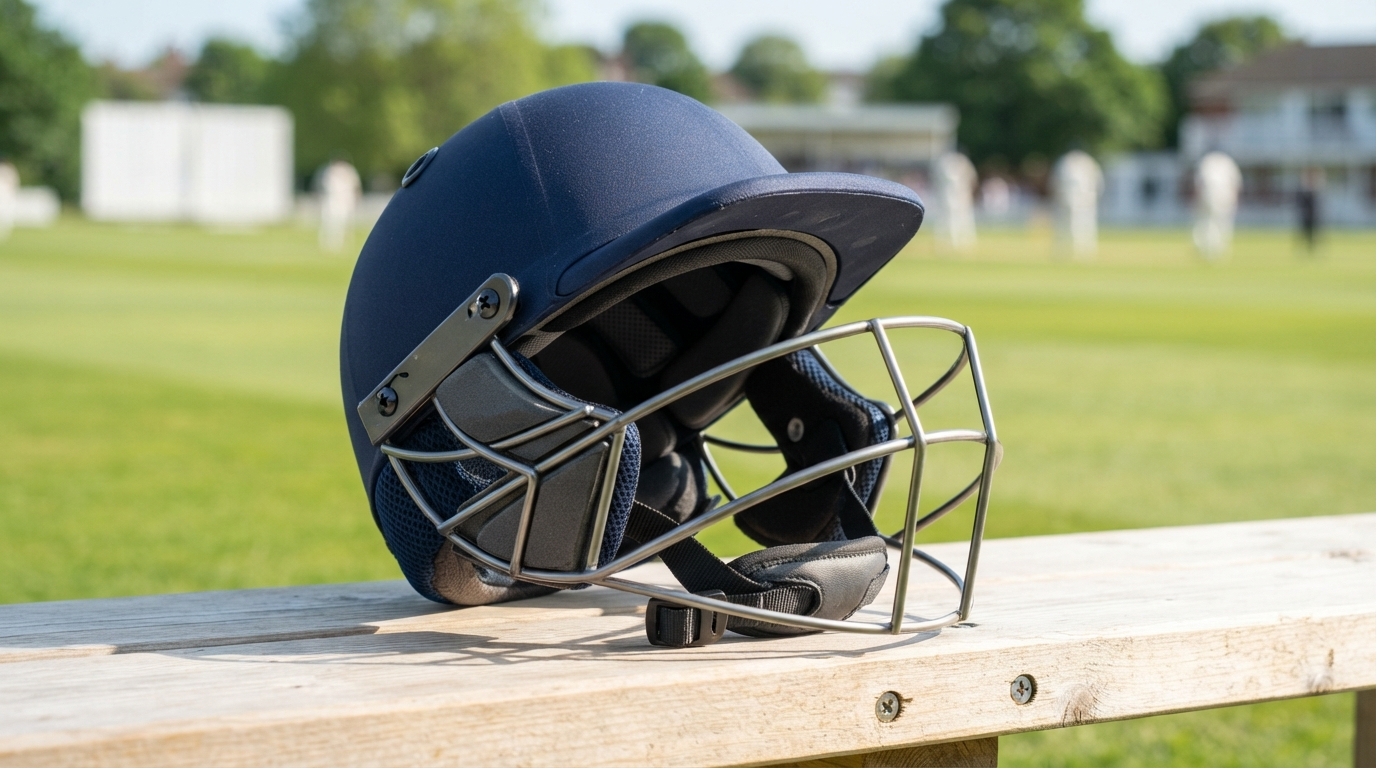
Walking up to a damp wicket on a cool morning in Vancouver or standing under the bright sun in King City, Ontario, there is one piece of safety gear you cannot afford to overlook. When facing a hard leather ball traveling at speeds upwards of 120 km/h, your helmet is your ultimate line of defense against severe head and facial trauma. If you are searching for the best cricket helmet Canada has to offer, navigating the various technical specifications, weight profiles, and safety certifications can feel overwhelming.
Many recreational and competitive players in Canada mistakenly choose a helmet based solely on price or look, unaware of how critical structural details like the difference between titanium and steel grilles or the latest safety standards impact on-pitch protection. This comprehensive guide will explain the essential components of cricket helmets, detail key factors to consider when purchasing, and provide expert advice to help you select a premium helmet that keeps you safe and confident.
What is a Modern Cricket Helmet? An Overview
A cricket helmet is a highly specialized piece of safety headgear designed to shield a player’s skull, face, and temples from high-velocity impact. Unlike standard athletic helmets, modern cricket helmets feature an outer shell made of high-impact polymers or carbon fiber, a compressed polystyrene (EPS) inner liner for shock absorption, and a rigid metal grille to protect the nose, eyes, and jawline.
Originally introduced as a simple fiberglass shell, today’s helmets are incredibly sophisticated. They are engineered to disperse the energy of a direct blow away from the skull, and many incorporate clip-on neck guards to cover the vulnerable area at the back of the neck below the helmet rim.
Why Choosing a Certified Helmet Matters
A cricket helmet is much more than a box-ticking exercise for league compliance. Investing in a top-tier helmet provides essential benefits:
- Prevents Traumatic Head Injuries: Advanced impact-distribution shells mitigate the risk of severe concussion, skull fractures, and internal trauma.
- Guards Against Facial Trauma: A structurally sound, non-adjustable grille ensures a fast-moving ball cannot squeeze through the gap between the peak and the faceguard, preventing dental, nasal, and orbital injuries.
- Enhances Batsman Confidence: When you know your head protection is solid, you can focus fully on ball tracking and stroke execution without fear of short-pitched bowling.
Steel vs. Titanium Grilles: Comparing the Options
When searching for a new helmet, the most significant decision centers on the material used for the protective grille.
1. Steel Grille Cricket Helmets
Steel is the traditional material used for cricket helmet grilles. It offers a heavier, highly robust protective barrier.
- Benefits: Highly cost-effective and structurally resilient. Steel is excellent at absorbing massive impacts without bending easily.
- Drawbacks: Noticeably heavier than titanium, which can put slight extra strain on the neck over long batting sessions.
- Best Use Cases: Ideal for junior cricketers, recreational weekend players, or anyone on a budget looking for maximum protection at a lower price point. You can explore standard entry options by browsing the Shop Cricket Helmets collection.
2. Titanium Grille Cricket Helmets
Titanium is a premium, high-strength metal that offers a revolutionary strength-to-weight ratio for elite-level protection.
- Benefits: Incredibly lightweight—up to 40% lighter than standard steel grilles—while offering superior structural strength. This weight reduction minimizes fatigue and improves head mobility.
- Drawbacks: Significantly more expensive to manufacture, making these helmets a higher financial investment.
- Best Use Cases: Perfect for top-order batsmen, professional players, and individuals playing in high-tier competitive leagues facing fast bowlers on hard wickets.
Key Features to Consider Before Buying
To ensure you choose the safest possible option, look closely at these technical parameters:
1. Safety Certifications (BS7928:2013)
Always verify that your helmet is officially certified. The British Standard BS7928:2013 is the globally recognized baseline for cricket helmet safety adopted by the International Cricket Council (ICC).
Important Safety Note: A compliant BS7928:2013 helmet features a factory-fitted, non-adjustable grille with a tightly calibrated gap that prevents a standard cricket ball from penetrating the faceguard. Avoid old helmets with adjustable grilles secured by white plastic nuts, as these can fail upon impact.
2. Fit and Adjustability
A helmet must fit snugly without wobbling when you shake your head. Many modern helmets feature a micro-adjustment dial or interchangeable padding inserts at the back to customize the fit to your exact head circumference. Ensure the front peak sits about 1 cm above your eyebrows to maintain a clear line of sight.
3. Ventilation and Airflow
Running between wickets on warm summer afternoons can cause fast heat buildup. Look for helmets featuring multiple crown vents and moisture-wicking internal sweatbands to keep your head cool and dry.
Expert Recommendations for Canadian Cricketers
Playing cricket in Canada involves switching between varied playing surfaces. Many community leagues utilize concrete-based pitches covered in synthetic turf, which can cause erratic, tennis-ball-like bounce. Against fast bowling, this unpredictable rise makes high-quality head protection an absolute necessity.
For elite-level players who want the absolute peak of safety technology combined with featherlight comfort, we highly recommend the Masuri T Line Titanium Cricket Helmet. This helmet is trusted by international professionals and complies fully with rigorous safety protocols, utilizing a reinforced titanium eye-line grille and advanced impact-absorbing shell structures.
For club players looking for outstanding reliability, the Masuri T-Line Steel Cricket Helmet provides equivalent heavy-duty protection with a slightly heavier but highly cost-effective steel frame. If you prefer a distinct look on the pitch, colored options such as the SG Blazetech Coloured Cricket Helmet (Black) are excellent for matching team kits while maintaining top-tier safety.
Common Mistakes to Avoid When Buying a Helmet
- Using a Helmet After a Heavy Impact: Just like bicycle helmets, cricket helmets are designed to absorb energy by structurally deforming on a major impact. Even if there are no visible cracks, always replace your helmet immediately if it takes a direct hit from a fast delivery.
- Buying an Oversized Helmet for Kids to “Grow Into”: A loose helmet will slide forward over your eyes during a shot or shake out of place during impact, completely compromising its safety features.
- Neglecting the Neck Guard: Many modern leagues now mandate neck protectors. Ensure your helmet has attachment points at the back to fit a clip-on neck guard for full 360-degree safety.
Comparison: Titanium vs. Steel Cricket Helmets
| Feature | Steel Grille Helmets | Titanium Grille Helmets |
| Material Build | Carbon Steel / High-Grade Steel | Certified Titanium Alloy |
| Weight Profile | Moderately Heavy (~900g – 1100g) | Ultra-Lightweight (~700g – 850g) |
| Safety Standard | Certified BS7928:2013 | Certified BS7928:2013 |
| Durability | High resilience, resistant to bending | Exceptional strength-to-weight ratio |
| Affordability | Highly budget-friendly | Premium investment |
Frequently Asked Questions
How do I measure my head for a cricket helmet?
Wrap a flexible measuring tape around your head, roughly 1 cm above your eyebrows and ears. Keep the tape level to measure the widest part of your head. Use this centimeter reading to consult the specific manufacturer’s size chart.
Is a neck guard mandatory under official rules?
While the Official Cricket Rules managed by the MCC outline general safety guidelines, many local Canadian leagues and international boards have made clip-on neck guards mandatory for junior players and highly recommended for seniors. Check your local league handbook for specific rules.
How often should I replace my cricket helmet?
You should replace your helmet immediately after any direct, high-impact blow. Otherwise, under normal conditions with regular wear, perspiration, and UV exposure, it is best practice to replace your helmet every 3 to 5 years.
What is the BS7928:2013 safety standard?
This is the British Standard specification that outlines rigorous testing protocols for cricket head protection. It ensures that the helmet can withstand direct impacts from both junior and senior size balls without the faceguard shifting or contacting the player’s face.
Can I paint my helmet to match my team colors?
No. Solvents and aerosol propellants found in spray paints can chemically degrade the protective structural integrity of the plastic or composite outer shell. To play in custom colors, buy a factory-covered colored helmet or consult professional Cricket Coaching Resources on team-apparel compliance.
Final Thoughts
Your safety on the pitch should always be your top priority. Investing in the best cricket helmet Canada has to offer is an essential step toward playing with absolute peace of mind and confidence. Whether you choose a lightweight, high-performance titanium option like the Masuri T Line Titanium Cricket Helmet or a rugged, traditional steel-grille design, ensure your choice meets current safety standards and fits perfectly.
Never step up to the batting crease unprepared. If you need expert assistance checking sizes, selecting the right model, or matching your team colors, please feel free to GET IN TOUCH with our knowledgeable team. Gear up safely, protect your head, and play your best innings yet!