
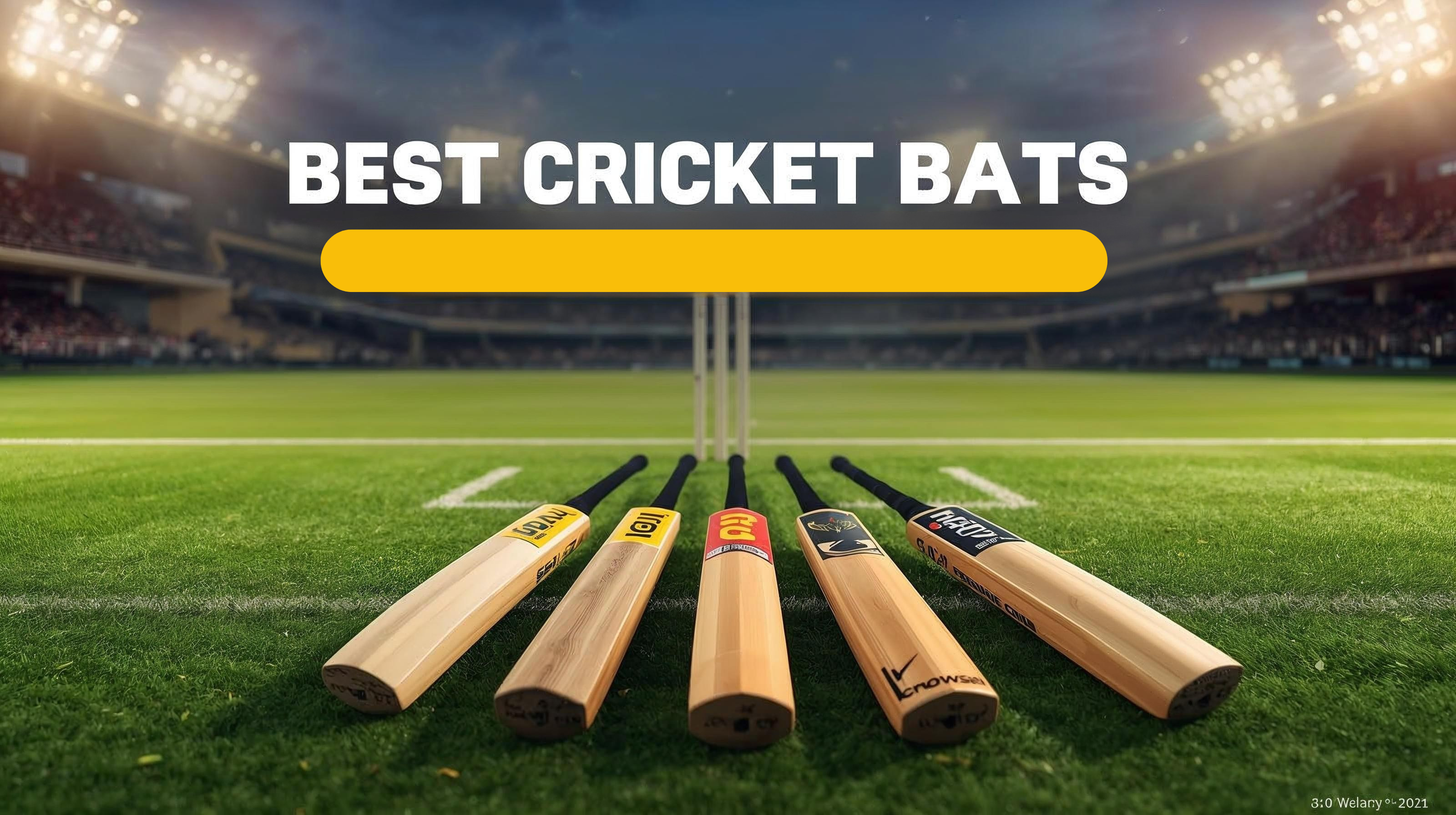
The thing is that the difference between running and losing the run can be found in the choice of a cricket bat. Whether you are a weekend warrior or you aspire to become a professional, your bat will be an extension of your technique and style.
All cricketers have experienced that time when you hold a bat and it feels good. It all balances and the pickup is made. However when there are hundreds of choices with dozens of different manufacturers, how do you get that perfect fit?
This manual demystifies all the facts about the cricket bats. You will find out the most popular brands in the market, why some bats are better than others, and practical advice on the right willow to use when playing your game.
What Does a Great Cricket Bat Look Like?
There are some common features of the best cricket bats that distinguish them among others. The building blocks here will be quality willow, though the craftsmanship, design and finishing touches will ultimately decide whether a bat plays at the top.
High quality cricket bats are made of English willow, Grade 1+ or Grade 1 willow. This type of wood offers the perfect combination of softness and strength. The plush eventually enables the wood to collapse and spring upon hitting the ball to produce that gratifying ping that shows excellent timing.
The distribution of weight is an important factor in bat performance. Well balanced bats with proper weight distribution that enable fast bat speed without losing power are the best bats. The bats used by most professional players are between 2lb 8oz and 2lb 12oz, although this is a matter of personal preference.
The pressing process has a great influence on the bat performance. Light pressing leaves the wood with its natural flexibility and ensures that the wood is durable. Hypersensitive bats are hard-feeling and unresponsive to touch, which doesn’t provide the feeling of power when using from proper technique instead of brute strength.
Biggest Cricket Bat Brands in the Market
Gray-Nicolls
Grey-Nicolls has provided over 160 years of equipment to the legends of cricket. Their Kaboom and legend family is the most outstanding bat making art. Conservative approaches to the brand paired with contemporary innovation produce bats that deliver performance across the board.
With a mid-to-low sweet spot, the Grey Nicolls Legend is perfect when the player likes drives and horizontal bat shots. The quality and reliability of the Grey-Nicolls brand has been proven over time by professional players who have continued to use the product, such as Joe Root.
Gunn & Moore
Gunn and Moore have a reputation of making bats with a very good pickup and balance. Their Six6 and Noir line has been popular with players who want a high-performing bat that is easy to handle. The weight distribution of the brand makes the bats feel lighter than they are.
The GM Six6 features new edge technology that provides maximum hitting area and does not add any undue weight. This design philosophy appeals to modern batsmen who value both power and precision in their strokeplay.
Kookaburra
Kookaburra, an Australian company, draws on decades of experience of designing bats to suit the most challenging environments in the world. Their Kahuna and Beast series deliver exceptional performance for aggressive batting styles. The bat designs depend on how the brand perceives various playing environments across the global markets.
Kookaburra bats are generally characterised by a slightly higher sweet spot, which is favoured by those who like to cut and pull. The association of the brand with best cricketers in Australia makes sure that their bats are professional enough, and are affordable by non-professional players.
New Balance
New Balance had entered the country with an innovation and performance-oriented mind towards the cricket market. Their TC and DC line merge the old craftsmanship with modern design features. The history of sports technology associated with the brand introduces new views into the production of cricket bat.
The New Balance TC range has graded edges that give them a larger sweet spot without loss of pickup. The design will be attractive to players who move to heavier bats.
SS (Sareen Sports Industries)
SS has developed the reputation of producing quality bats at low prices. Their Tonne and Master line is very affordable yet of professional standard. Their traditional bat-making methods mean that the quality of their brand remains the same throughout.
SS bats usually have a very strong bow, which acts to create the power by compression and rebound. This design philosophy is more appropriate to players who play by timing and technique, not sheer strength.
Best Cricket Bats by Category
Best Overall Performance
Grey-Nicolls Kaboom Warner is a very outstanding all-round performer. The bat is a blend of the old and the new in its craftsmanship and design, and is a balance between the two styles allowing different playing styles to use the bat. It is flexible enough to be used in both defensive and offensive striking due to the mid-sweet spot positioning and the great pickup.
Another great option in terms of overall performance is the Gunn and Moore Six6 F2 Tribal. Its innovative edge shape optimises the hitting area, but does not compromise on balance. Players enjoy the responsiveness of the bat and the confidence it gives them as they deal with high speed bowling.
Best for Power Hitting
The Kookaburra Beast can be used by players who want as much power as possible. This bat has a lower sweet spot and large sides that are built to provide massive force when used correctly. The philosophy behind the design of The Beast is to enable the player to maximise his or her natural power without losing control.
The New Balance TC 860 also excels for power hitting. Its well-developed profile puts the weight in the hitting area and has great pickup. The feedback of the bat against the middle is what helps to time aggressive shots.
Best for Technique Players
The SS Master 1000 is designed specifically to be used by players that value technique and timing. Classical stroke players will find it extremely popular due to its classical profile and good balance. The repetitive nature of the bat rewards good technique but is tolerant enough to allow learning players.
Another good option available to technique-oriented cricketers is Grey-Nicolls Legend. The location of the mid-to-low sweet spot of the bat promotes good front-foot play and also offers tremendous feedback on the timing of the shot.
Best Value Options
The SS Tonne Elite is the best value entry in the high-end bat category. However, this bat has competitive pricing with Grade 1 English willow and professional level finishing. The performance rivals are also usually more expensive to the players.
Another great value option is Gunn & Moore Noir Original. The bat integrates the well-known balance and pickup of the brand with an affordable price. The classic profile fits all players at any level who cherish classic bat profile.
How to Select the Right Cricket Bat in Your Style
What is Your Playing Style?
Learning the natural batting behaviour is the building block of choosing the ideal bat. Aggressive players who prefer cut shots and pulls generally like bats that have bigger sweet spots and large edges. These design features contribute to producing power on horizontal bat shots and gain confidence in case of short-pitched bowling.
Bats that have mid-and-low sweet spots should be sought in players who love driving and defensive shots. This stance promotes good front-foot action coupled with good response to traditional cricket strokes. The lower sweet spot also assists in timing whilst playing the shots on the ground.
A multi-skilled player requires an all-purpose bat that works well in all types of shots. Well-balanced and middle-ground sweet spots provide the ability to adjust to different bowling styles and match conditions.
Weight and Balance Considerations
The weight of the bat is one of the determinants of the speed you can generate with a bat and the location of the shots. The heavier bats (2lb 10oz and above) are capable of more power, but need more strength and fitness to be manoeuvred. These bats are used by physically strong players who will not compromise technique because of the extra weight.
Lighter bats (2lb 8oz and below) allow for quicker reactions and easier maneuverability. They will suit players who depend on timing and placement, but not sheer power. A lightweight option is usually beneficial when working on technique with junior players who have not yet developed their technique fully.
Balance is more to do with how the bat feels rather than weight. A well-balanced bat feels lighter in the hands and allows for better control during shot execution. Try the bat by picking it with your hand and evaluating the level of comfort when practising with it.
Handle and Grip Preferences
The ergonomics of the handle affect the ergonomics of the batting process during prolonged play. The oval handles give a firm grip and a clear understanding of what the blade is doing and as such are favoured by traditional players. Round handles are more flexible in the way the grip can be positioned, but need more attention to the direction of the blade.
The thickness of the handle must be suitable to your hand size and grip. Thick handles are generally more comfortable to players with large hands, and thinner handles are more comfortable to players with small hands. Grip tension and loss of bat control may result due to the improper handle size.
Feel and shock absorption depend on the grip selection. Rubber grips are good shock absorbers, but may be greasy in the rainy season. Grips made of leather are easier to feel and have higher grip stability but need to be maintained in order to avoid wear.
How to Keep Your Cricket Bat in Good Condition
Proper Preparation and Knocking-In
New cricket bats need to be prepared in advance before being used in a match or during intensive practise. The willow fibres are loosely woven together and ready to receive the impact of a cricket ball through the process of knocking-in. It is a very important measure to protect your investment and maximise its performance.
Begin with bat mallet or an old cricket ball with little pressure applied to bat face. Pay attention to the edges and the area in between toes, which are generally less compressed by nature in the manufacturing process. Build up the pressure slowly in multiple sessions so the wood can acclimatise.
Knocking-in is usually a process that takes 6-8 hours of detailed preparation. This should not be hurried as it is likely to ruin the bat and failure to allow adequate preparation exposes the wood to dents and cracks during use.
Storage and Environmental Care
The correct storage will ensure your bat is not damaged by the environment which can lead to poor performance of the bat. Store bats in cool, dry conditions away from direct sunlight and extreme temperatures. Too much moisture may cause the wood to swell and become unresponsive, and too much dryness may cause a crack.
Bats should not be stored in car trunks, garages or any other location where the temperature goes too high or too low. These circumstances have the ability of making the wood swell and shrink again and again, resulting to structural damage in the long run.
Transportation of equipment using bat covers or cases to avoid the equipment being scratched and hit. The following protective techniques can be used to save the finish of the bat and avoid even minor damages which may be transformed to bigger issues.
How to Know When Your Cricket Bat Needs to Be Replaced
Knowing when to change your cricket bat is the surest way to keep up to your best performance level. Any major damage like deep cracks, damage along the edges or toe splitting is normally a hint of replacement. Although small damages can be repaired, generally the structural integrity of the bat is affected.
The deterioration of performance is usually a sign of an internal damage that is not readily visible. If your bat no longer works well or you notice some kind of difference when using it then it may have experienced internal compression or structural alteration. Professional players tend to change bats with every change in performance instead of waiting until they become damaged.
When assessing the condition of your bat, factor in on your rate of play and intensity. Frequent players might have to buy a new bat every year or even every few seasons, whereas infrequent players can probably last a few years using the same bat with appropriate maintenance.
Making Your Final Decision
There is a need to balance personal preferences, playing style, and budget in order to select the best cricket bat. The first step is to determine what your main batting strengths and main types of shots are, then you should reduce that list to include only bats that fit your playing style.
When it can, try before you buy. Most of the cricket retailers provide the opportunity to touch different bats and evaluate their pickup and balance. This kind of practical experience is very insightful and cannot be compared with specifications or reviews.
Look at the long-term evolution as a player. A bat that is just a little challenging may help you improve your technique and one that is too difficult may slow you down. Select a piece of equipment that meets your present capability, but can also progress as your capabilities increase.
It is important to keep in mind that the most appropriate cricket bat is the one that fits into your hands and makes you feel confident standing on the crease. Technical specifications matter, but personal comfort and confidence often determine performance more than raw statistics.
The ideal cricket bat turns into a companion in your cricketing life and assists you to execute the shots with accuracy and strength. Pause to make a wise choice and you will be paid in years of great performance and pleasure on the cricket field.