
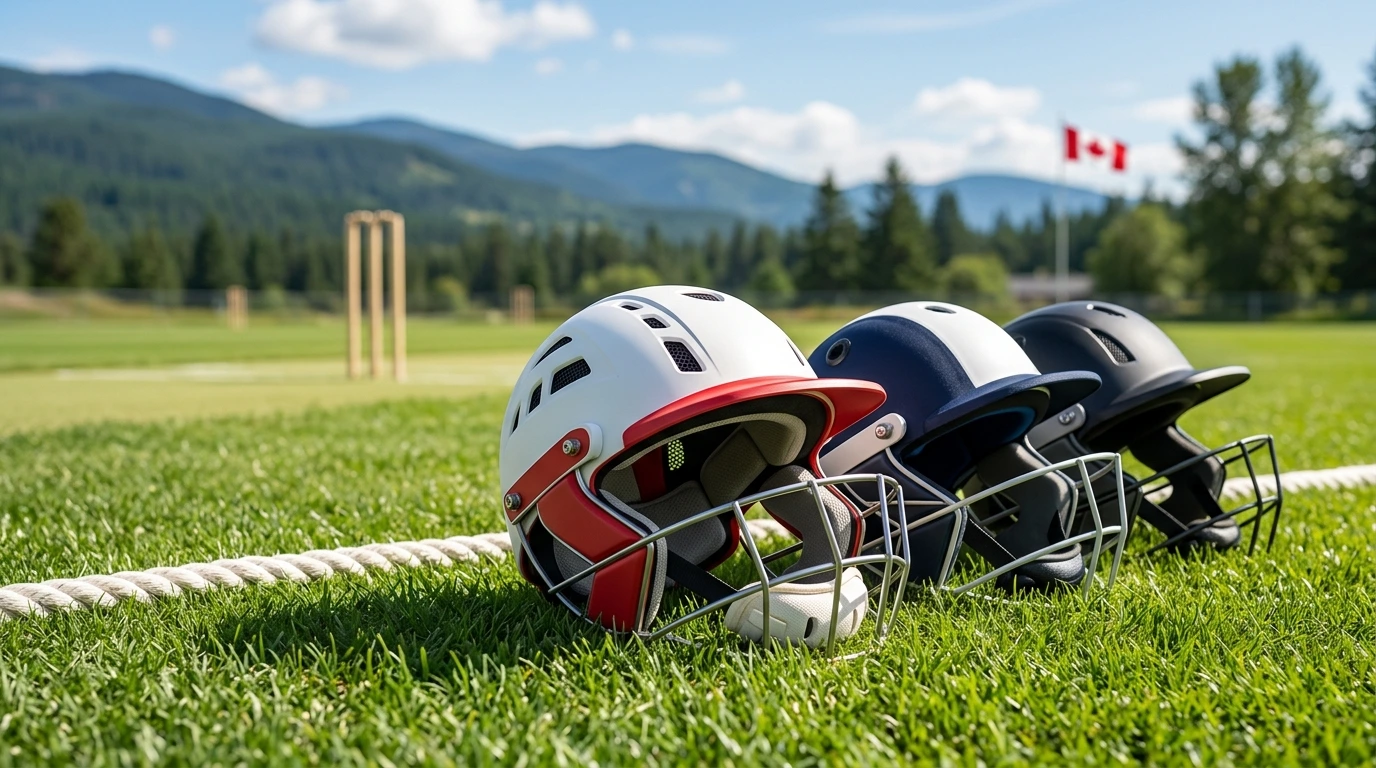
Batting under the summer sun on a fast synthetic pitch in Calgary or a damp turf track in Toronto requires absolute focus. When facing seam bowling at 120 km/h, the last thing you need is a heavy, bulky helmet causing neck strain, obscuring your peripheral vision, or trapping heat. If you are searching for the lightweight cricket helmet Canada players trust, the primary challenge lies in shaving off grams without compromising certified structural protection.
Many Canadian cricketers endure unnecessary fatigue during long innings simply because their headgear is poorly balanced or uses heavy steel grilles. Modern equipment engineering has transformed helmet design, introducing titanium alloys, high-density composite shells, and advanced airflow channels. In this guide, we break down how ultra-light helmets protect your head, evaluate the top materials available, and help you select headgear that offers featherlight comfort alongside uncompromised safety.
What Defines a Modern Lightweight Cricket Helmet?
A modern lightweight cricket helmet is engineered to minimize overall mass while adhering strictly to international safety standards, specifically the BS7928:2013 certification. Traditional cricket helmets frequently weigh well over 900 to 1,000 grams due to dense plastic shells and thick steel faceguards. In contrast, ultra-light models drop the weight down to 700 to 800 grams.
Manufacturers achieve this weight reduction through three main engineering advancements:
- Titanium Grilles: Replacing heavy carbon steel with grade-five titanium alloys cuts grille weight by up to 40% while increasing structural tensile strength.
- Composite Outer Shells: Utilizing injection-molded ABS plastic reinforced with glass fiber or carbon composite layers allows for thinner, stronger shell walls.
- Optimized EPS Liners: Expanded Polystyrene (EPS) foam liners are molded with strategic air channels, providing high shock absorption with minimal material density.
Why Choosing a Lightweight Helmet Matters for Your Game
Switching to a lightweight helmet provides tangible performance benefits beyond simple comfort.
- Reduced Neck Fatigue: Lowering headweight reduces the torque exerted on your cervical spine. This keeps your neck muscles fresh during lengthy batting sessions or hot afternoon double-headers.
- Faster Reaction Times: A heavy helmet creates subtle inertia when tracking short-pitched deliveries. A balanced, lightweight model allows your head to tilt and turn naturally, improving shot execution against bouncers.
- Superior Climate Control: Lightweight designs prioritize ventilation, incorporating strategic airflow vents to draw cool air across the scalp—a critical feature for humid mid-summer matches across Canada.
Types of Lightweight Cricket Helmets
When shopping for lightweight headgear, helmets generally fall into three structural categories based on grille construction and shell materials.
1. Titanium Grille Helmets
Titanium models represent the pinnacle of lightweight helmet technology, combining elite strength with minimal weight.
- Benefits: Offers the highest strength-to-weight ratio available. Up to 40% lighter than standard steel models, drastically reducing front-heavy tipping.
- Drawbacks: Premium manufacturing processes make these helmets a higher financial investment.
- Best Use Cases: Top-order batsmen, professional players, and competitive club cricketers who spend long periods at the crease. To browse certified options, check out our selection to Shop Cricket Helmets.
2. Advanced Steel / Composite Hybrid Helmets
Hybrid helmets utilize high-grade, slimline steel grilles attached to ultra-light composite shells.
- Benefits: Cost-effective alternative that balances reduced shell weight with the affordability of steel.
- Drawbacks: Slightly heavier than pure titanium models, with most of the mass concentrated in the front faceguard.
- Best Use Cases: Intermediate club players wanting lighter headgear without paying top-tier titanium prices.
3. Lightweight Junior & Youth Helmets
Scaled-down helmets engineered specifically for younger players using lightweight ABS plastic shells and junior-spec grilles.
- Benefits: Prevents neck strain in developing young athletes, allowing them to maintain proper batting technique and posture.
- Drawbacks: Outgrown quickly as junior players mature into full-size adult head dimensions.
- Best Use Cases: Youth league participants stepping up from soft-ball to hard leather cricket balls.
Key Features to Consider Before Buying
To select the lightweight cricket helmet Canada weather and pitch conditions demand, evaluate these critical technical factors:
Safety Certification (BS7928:2013 Compliance)
Never sacrifice safety for weight savings. Verify that the helmet carries official BS7928:2013 certification. This standard mandates rigorous testing against high-velocity ball impacts and ensures the grille gap is calibrated so a cricket ball cannot penetrate the eye-line or mouth area.
Weight Distribution and Balance
Raw weight figures can be deceiving. A helmet weighing 800 grams with a heavy front grille will feel more tiring than an 850-gram helmet with even weight distribution. Look for models featuring a snug rear-fitting dial or extended back-of-head padding that acts as a natural counterweight.
Ventilation and Airflow Channels
Check for internal EPS foam grooves aligned with outer shell vents. Airflow systems push heat out the back of the helmet while drawing cool air over your forehead, preventing sweat from running into your eyes during critical deliveries.
Expert Recommendations for Canadian Conditions
Many cricket grounds in Canada feature synthetic AstroTurf over concrete bases, leading to steep, unpredictable bounce. Facing fast bowling under these conditions makes lightweight, certified protection essential.
For elite players seeking maximum safety without extra weight, the Masuri T Line Titanium Cricket Helmet is a standout choice. Featuring a patented eye-line grille and lightweight titanium frame, it provides top-tier protection trusted by international professionals.
If you prefer a classic build, the MASURI T-LINE STEEL CRICKET HELMET offers heavy-duty protection with a well-balanced profile. For players who want their headgear to match team kits, colored models like the SG Blazetech Coloured Cricket Helmet (Black) deliver reliable safety alongside a modern look on the pitch.
Common Mistakes to Avoid When Buying a Helmet
- Equating Light Weight with Thin Foam: True lightweight helmets use high-density EPS foam that absorbs shock efficiently—never compromise on foam density just to shave off grams.
- Ignoring the Neck Protection Gap: Ensure your lightweight helmet features attachment points for clip-on neck guards (stem guards) to protect the exposed area at the back of the head.
- Wearing an Incorrect Size: An oversized helmet wobbles during movement, while a tight one causes pressure headaches. Measure your head circumference accurately before buying.
Comparison: Titanium vs. Steel Lightweight Helmets
| Feature | Titanium Grille Helmets | Lightweight Steel Hybrid Helmets |
| Grille Material | Grade 5 Titanium Alloy | High-Tensile Carbon Steel |
| Average Total Weight | 700g – 800g | 850g – 1,000g |
| Weight Reduction | ~35-40% lighter than traditional steel | ~10-15% lighter than traditional steel |
| Safety Standard | Certified BS7928:2013 | Certified BS7928:2013 |
| Balance Feel | Centered, zero front-heavy pull | Slightly front-heavy bias |
| Investment Level | Premium / Elite | Moderate / Budget-Friendly |
Frequently Asked Questions
What makes a cricket helmet lightweight?
A helmet is made lightweight by using titanium alloy grilles instead of steel, high-impact composite shells, and precision-molded EPS foam with integrated air channels.
Are lightweight titanium helmets as safe as traditional steel helmets?
Yes. Titanium has a higher strength-to-weight ratio than steel. Titanium grilles absorb and disperse high-velocity impacts effectively while weighing significantly less.
How do I know if my helmet fits correctly?
Measure your head circumference 1 cm above your eyebrows. When worn, the helmet should sit level, with the front peak roughly two fingers above your eyes. It should remain snug when you shake your head without causing uncomfortable pressure points.
Can I add a neck guard to a lightweight helmet?
Yes. Most modern certified helmets include mounting points for clip-on neck guards (stem guards). Adding a foam stem guard provides crucial protection for the back of the neck with minimal added weight.
How do official cricket laws view helmet safety?
Under the Official Cricket Rules maintained by the MCC, protective equipment must meet strict safety guidelines. Furthermore, organized player development programs like those outlined in Cricket Coaching Resources mandate certified helmets for all junior players and close-in fielders.
Final Thoughts
Investing in a lightweight cricket helmet Canada players can rely on is one of the smartest upgrades you can make for your safety and performance. By choosing a well-balanced, certified helmet with a titanium or hybrid steel grille, you reduce neck strain and stay cool without sacrificing impact protection.
Never compromise on head safety at the crease. If you need help choosing the right size or model for your playing style, feel free to GET IN TOUCH with our expert team today. Step into the middle fully protected, stay comfortable, and play with complete confidence!